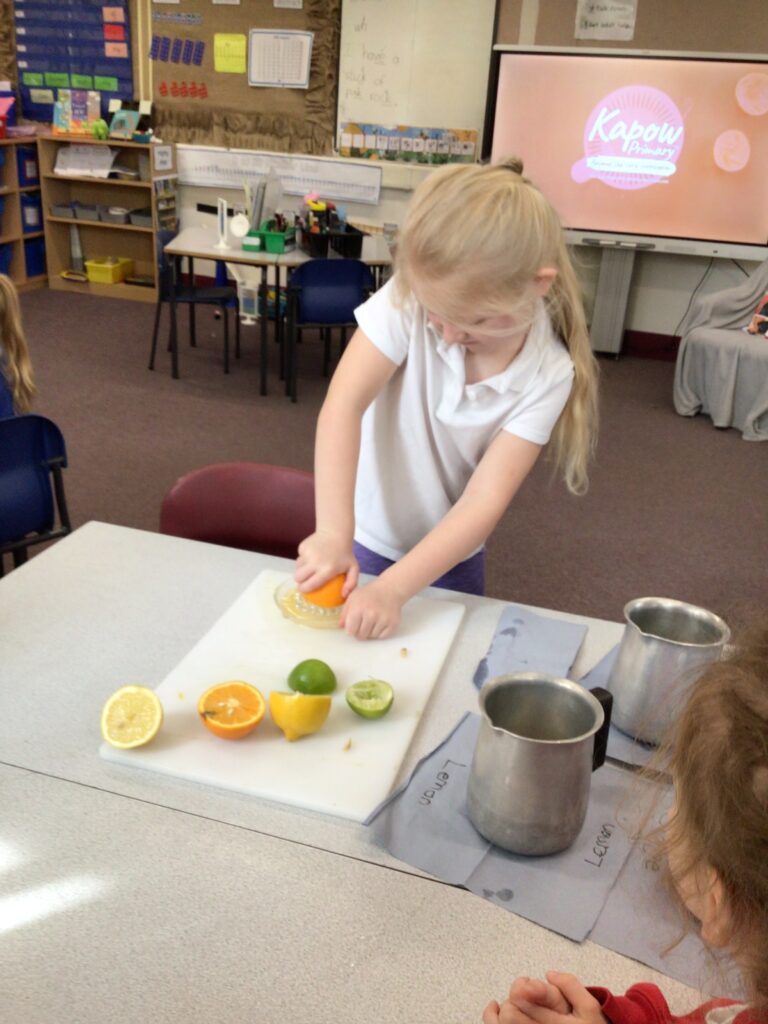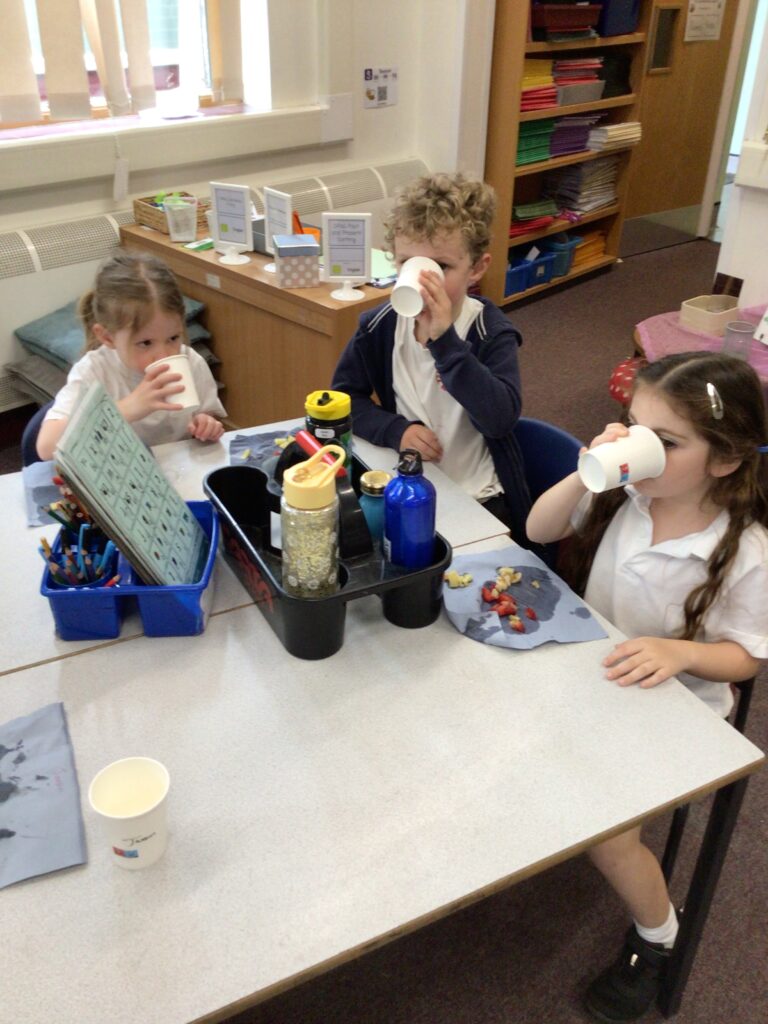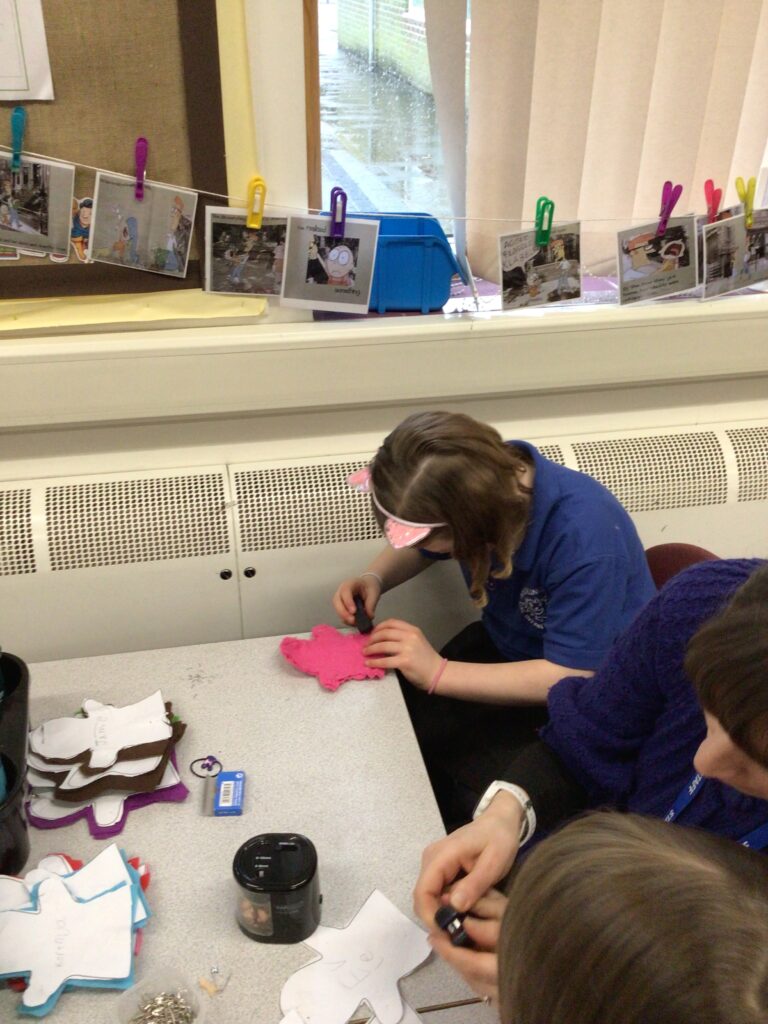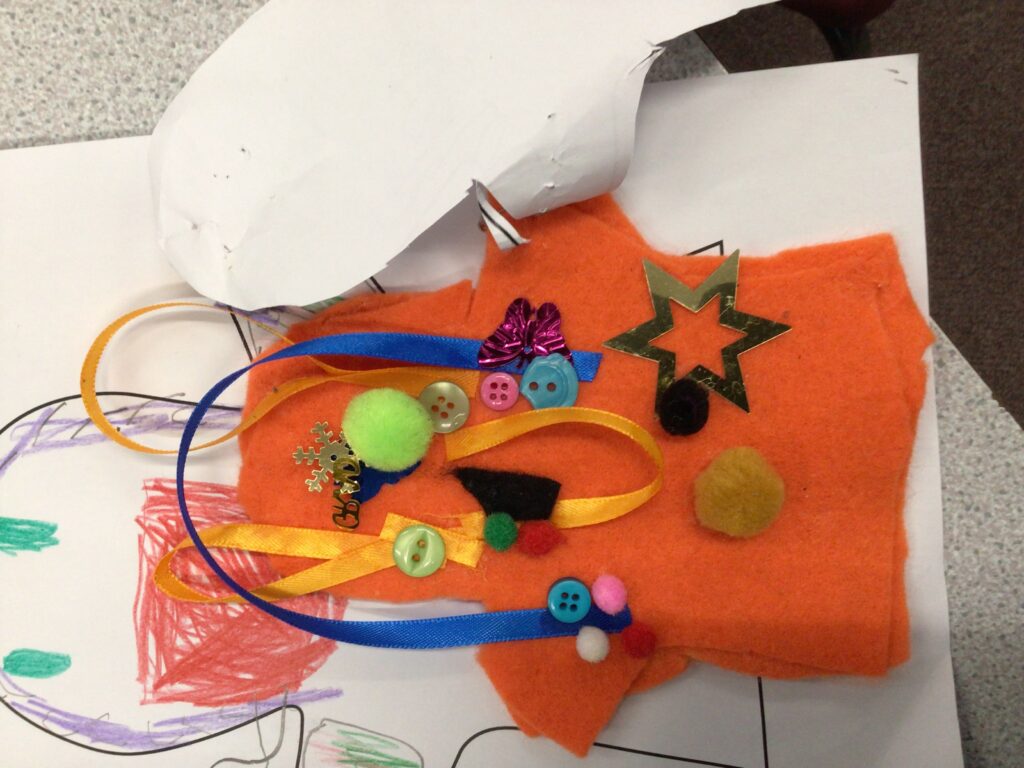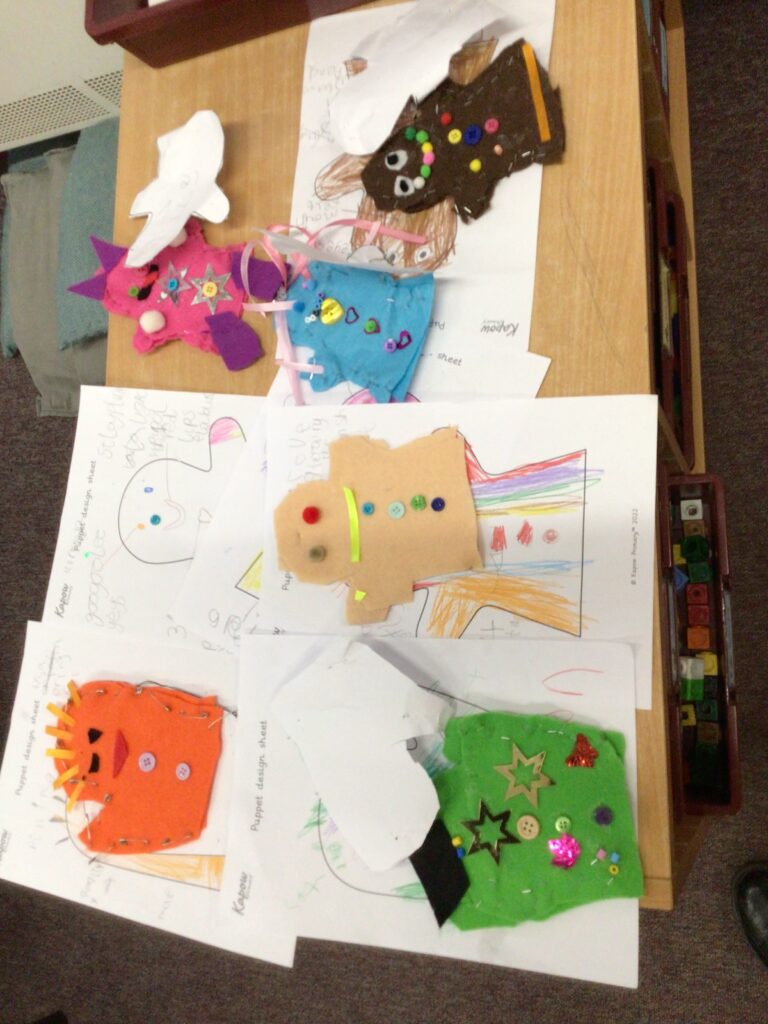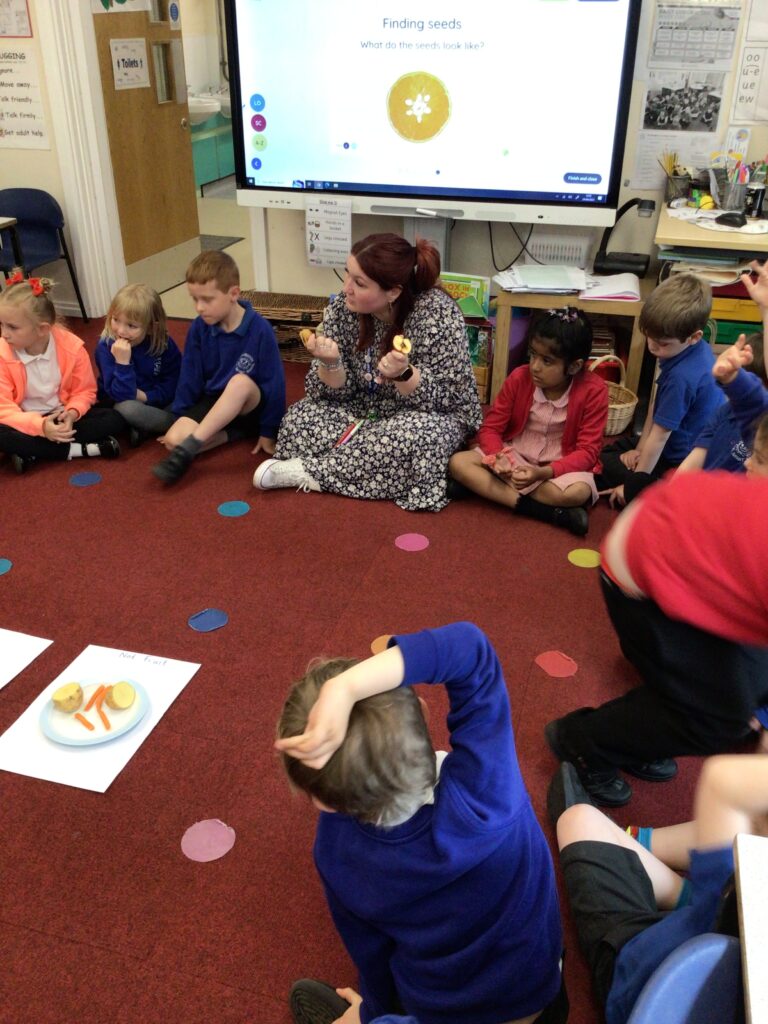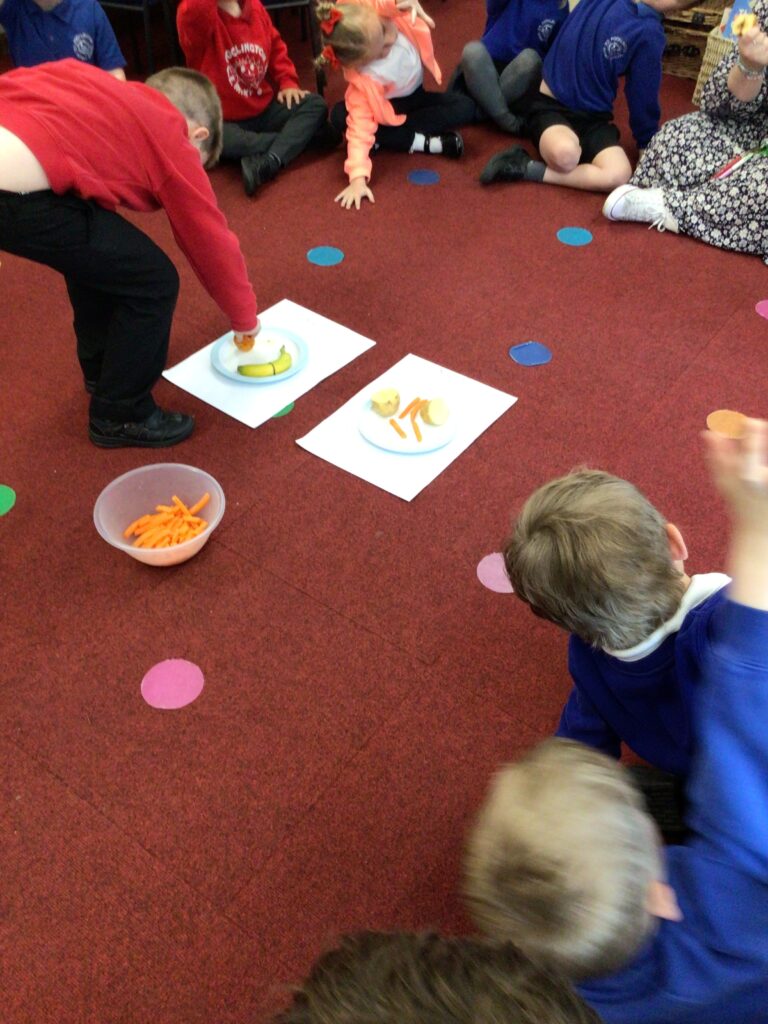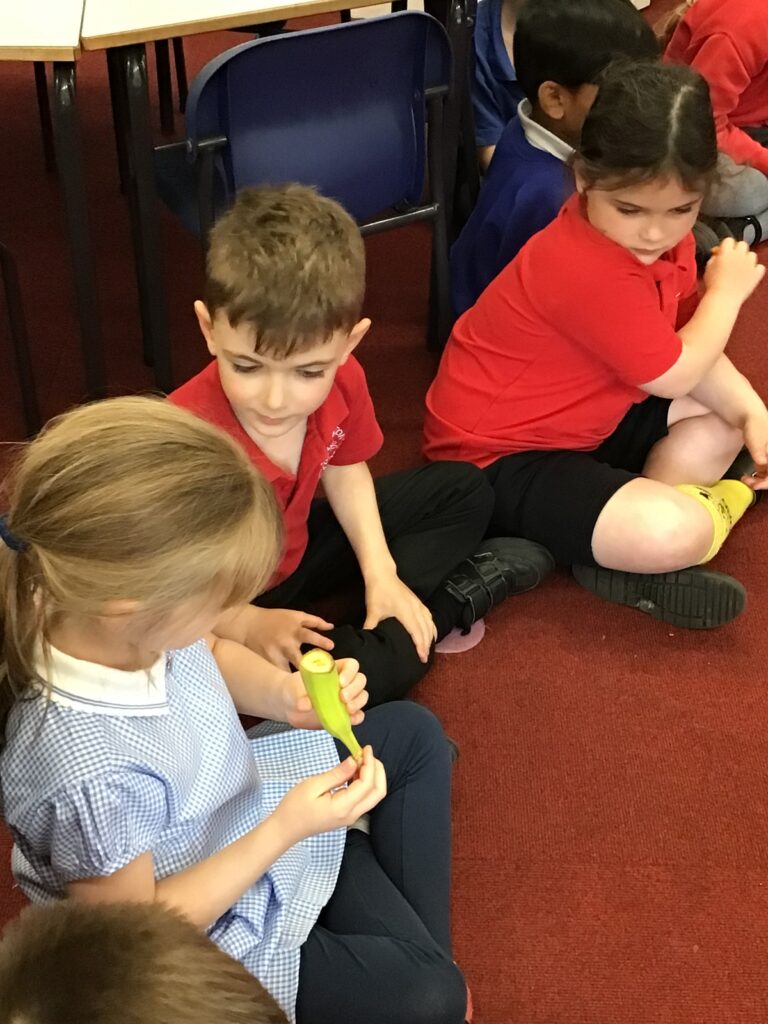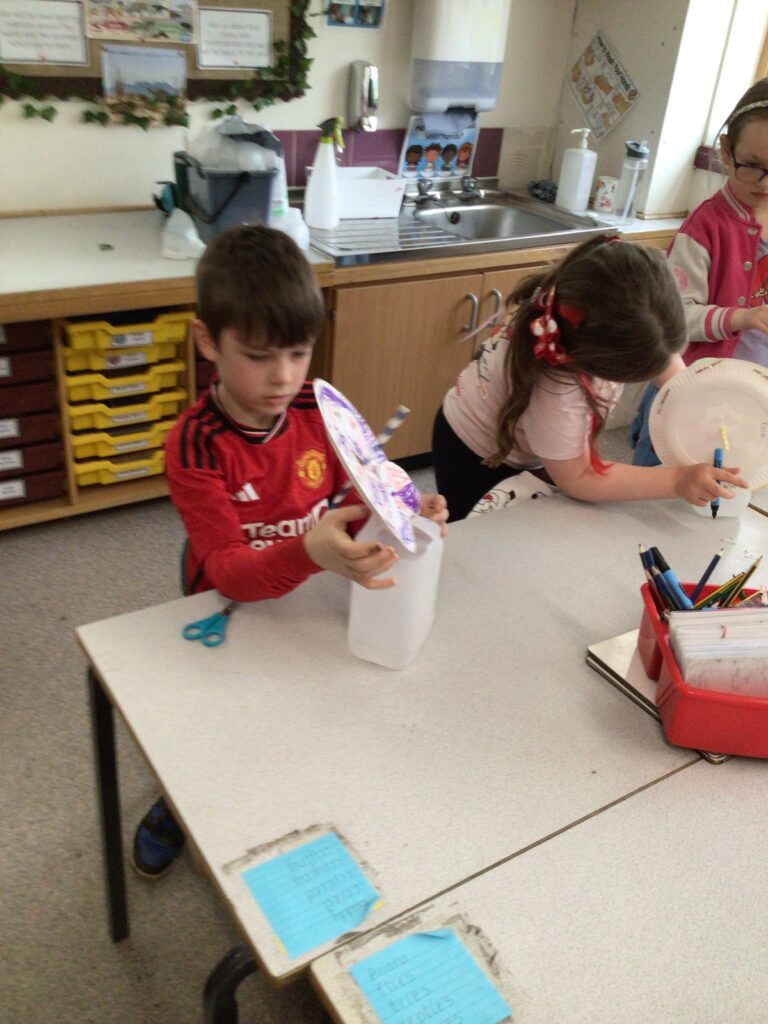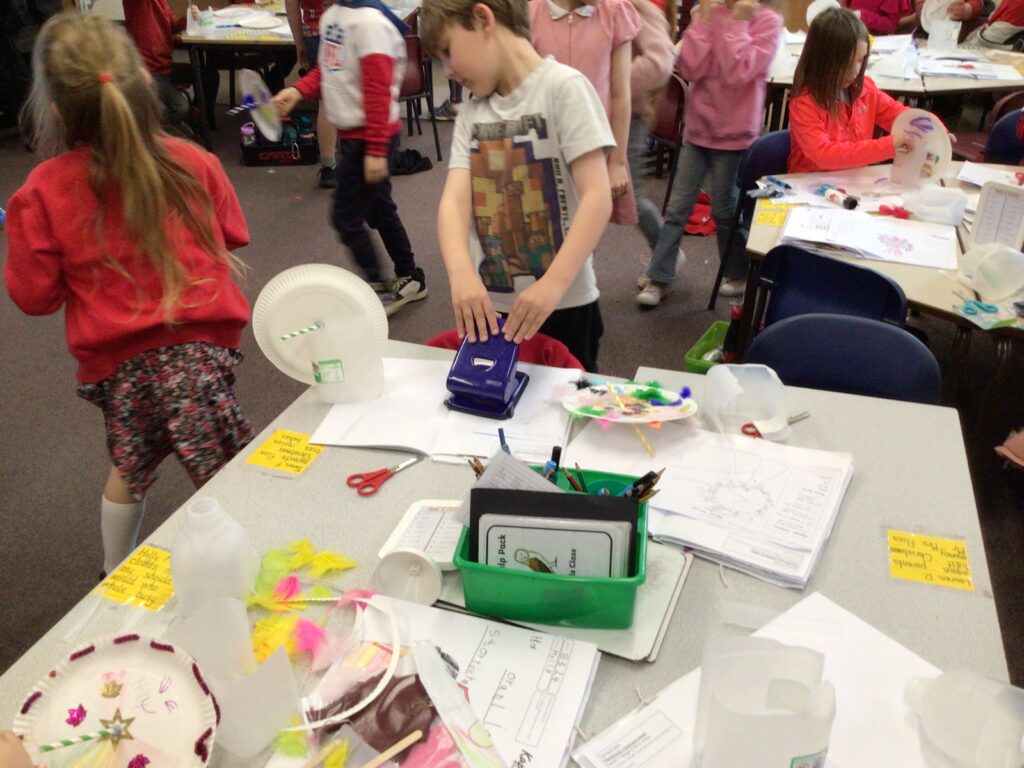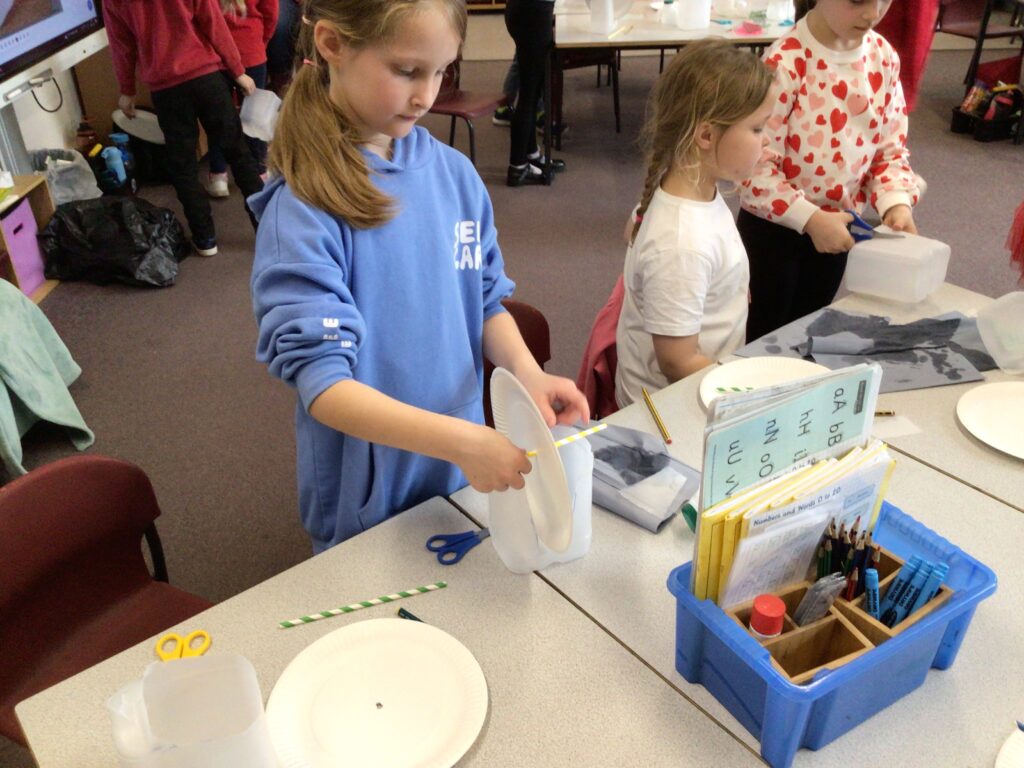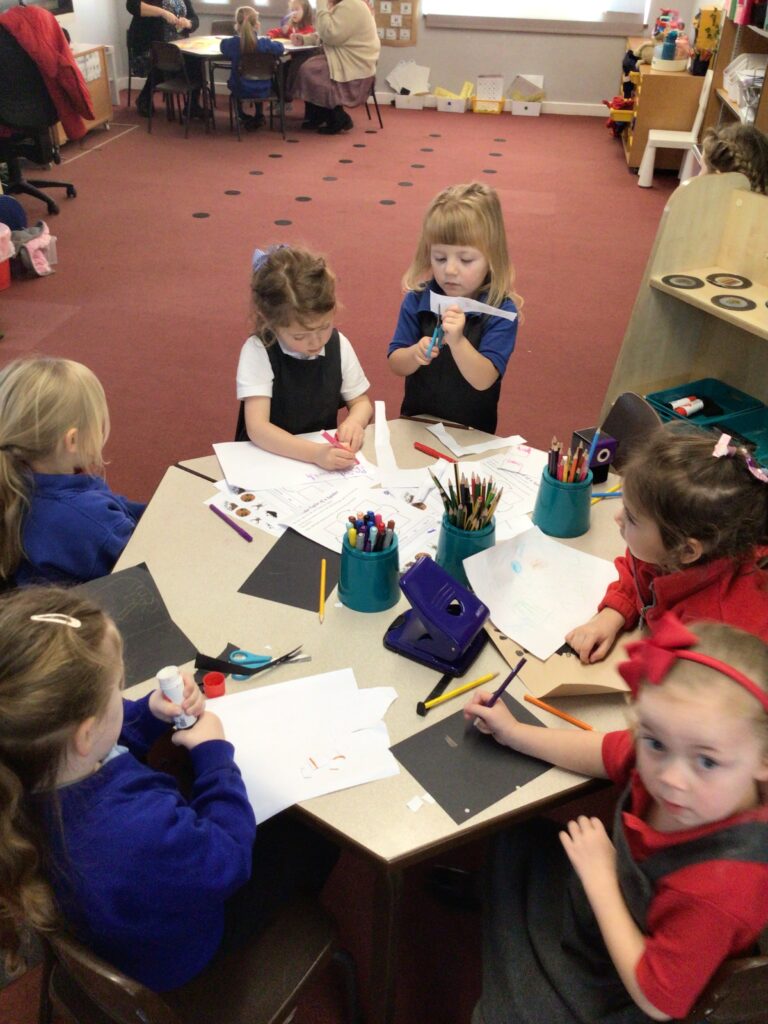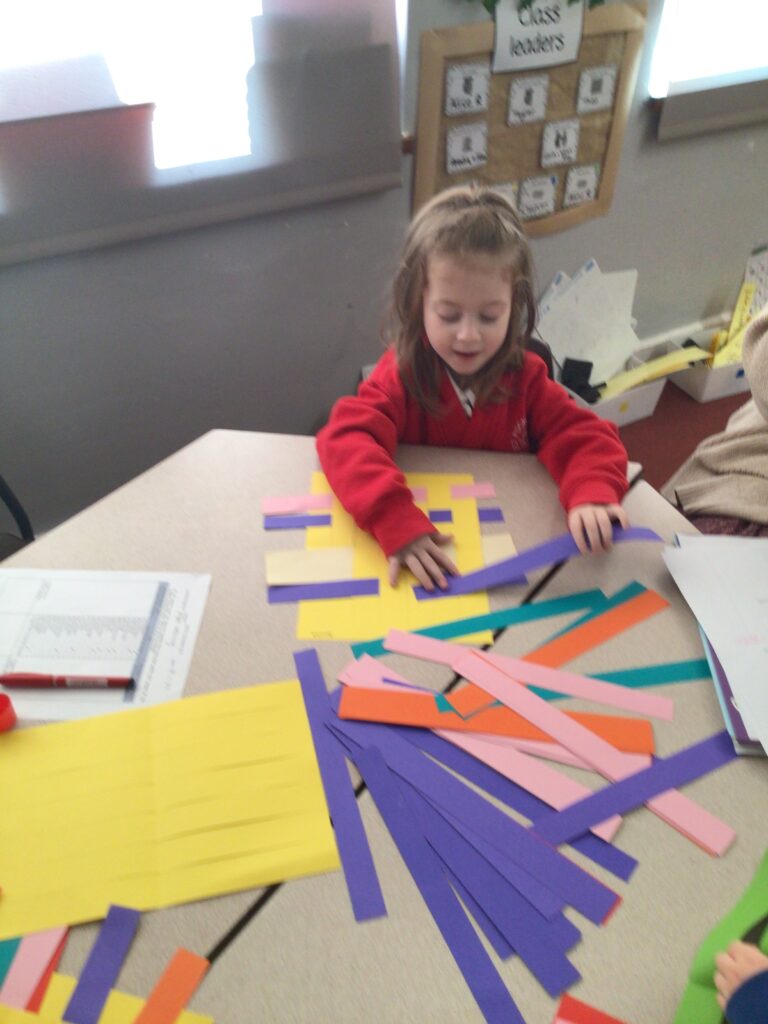
Our intent is for Design and Technology (DT) to be both practical and inspiring and enable children to contribute to the innovation, culture, wealth and well-being of society.,
Our intent is to focus on the development of the gross and fine motor skills. We aim to inspire pupils to be innovative and creative thinkers who have an appreciation for the product design cycle through ideation, creation, and evaluation, as well as the initiative to fully realise their creative ideas.
We want pupils to develop the confidence to take risks, through drafting design concepts, modelling and testing and to be reflective learners who evaluate their work and the work of others. We intend to build an awareness of the impact of design and technology on our lives and encourage pupils to become resourceful, enterprising citizens who will have the skills to contribute to future design advancements in the world around them.
Our Design and technology scheme of work from Kapow enables pupils to meet the end of key stage attainment targets in the National curriculum and the EYFS Framework.
At Pocklington Church of England VC Infant School, in the Early Years Foundation Stage Design and Technology is taught through the lens of ‘ Expressive Art and Design’. The children have regular opportunities to engage with the arts, enabling them to explore and play with a wide range of media and materials. Some units will be taught using the Kapow curriculum.
The Design and technology National curriculum outlines the three main stages of the design process: design, make and evaluate. Each stage of the design process is underpinned by technical knowledge which encompasses the contextual, historical, and technical understanding required for each strand. Cooking and nutrition has a separate section, with a focus on specific principles, skills and techniques in food, including where food comes from, diet and seasonality.
The National curriculum organises the Design and Technology attainment targets under four subheadings: Design, Make, Evaluate, and Technical knowledge.
We follow Kapow Primary’s Design and technology scheme, which has a clear progression of skills and knowledge within these strands and key areas across each year group.
The National curriculum overview shows which of our units cover each of the National curriculum attainment targets as well as each of the four strands.
Our progression of skills shows the skills and knowledge that are taught within each year group and how these skills develop to ensure that attainment targets are securely met by the end of the Early Years Foundation Stage and Key Stage 1.
Through Kapow Primary’s Design and technology scheme, pupils respond to design briefs and scenarios that require consideration of the needs of others, developing their skills in the six key areas. Each of our key areas follows the design process (design, make and evaluate) and has a particular theme and focus from the technical knowledge or cooking and nutrition section of the curriculum. The Kapow Primary scheme is a spiral curriculum, with key areas revisited again and again with increasing complexity, allowing pupils to revisit and build on their previous learning.
Lessons incorporate a range of teaching strategies from independent tasks, paired and group work including practical hands-on, computer-based and inventive tasks. This variety means that lessons are engaging and appeal to those with a variety of learning styles. Differentiated guidance is available for every lesson to ensure that lessons can be accessed by all pupils and opportunities to stretch pupils’ learning are available when required. Consideration is given to how greater depth will be taught, learnt and demonstrated within each lesson, as well as how learners will be supported in line with the school’s commitment to inclusion.
Units are adapted to our pupils by picking out three or four keywords that will be learnt. The units also encourage recall of skills, processes, key facts and vocabulary. Each unit of lessons includes multiple teacher videos to develop subject knowledge and support ongoing CPD to support teachers to deliver lessons of a high standard that ensure pupil progression.
In Key Stage 1 Design and Technology is taught every other half term and is alternated with Art and design. The units in our long term plan give the best overall skills coverage when combined with the Art and design units.
Our pupils thoroughly enjoy the extra-curricular club craft we run related to Design and Technology, which gives children further opportunities to hone their skills.
The impact of Kapow Primary’s scheme can be constantly monitored through both formative and summative assessment opportunities. Each lesson includes guidance to support teachers in assessing pupils against the learning objectives. Furthermore, each unit has a unit quiz and knowledge catcher which can be used at the start and/or end of the unit. As well as completing the quiz and knowledge catcher, we have adapted the Kapow Primary’s scheme and created our own evaluation sheets for children to complete at the end of each unit. The evaluation sheets allow the children to follow the National Curriculum strands of Design, Make and Evaluate. After the implementation of Kapow Primary Design and technology, pupils should leave school equipped with a range of skills to enable them to succeed and be innovative and resourceful members of society.
The expected impact of following the Kapow Primary Design and technology scheme of work is that children will:
- Understand the functional and aesthetic properties of a range of materials and resources.
- Understand how to use and combine tools to carry out different processes for shaping, decorating, and manufacturing products.
- Build and apply a repertoire of skills, knowledge and understanding to produce high quality, innovative outcomes, including models, prototypes, and products to fulfil the needs of users, clients, and scenarios.
- Understand and apply the principles of healthy eating, diets, and recipes, including key processes, food groups and cooking equipment.
- Have an appreciation for key individuals, inventions, and events in history and of today that impact our world.
- Self-evaluate and reflect on learning at different stages and identify areas to improve.
- Meet the end of key stage expectations outlined in the National curriculum for Design and technology.