We aim for our History curriculum to ignite children’s curiosity, whilst challenging their understanding and perception of the wider world– in other words, to think like historians. Through learning about specific events and changes in History, we will expand children’s understanding with a broad and diverse programme of learning. The intention is for pupils to develop the confidence to question and investigate evidence, explore different perspectives and build informed interpretations of events, people and societies.
We aim to build pupils’ awareness of how History shapes identities, cultures and communities over time. The goal is to inspire them to become reflective, active citizens who can draw on historical understanding to make sense of the present and contribute thoughtfully to the future.
We give children the opportunity to investigate primary and secondary sources and encourage them to think critically to form their own judgements and opinions. We want children to appreciate the role their local area has played throughout history through specific purposeful experiences and exploration. We enable children to develop skills to independently question what they see and be able to begin making connections between what they already know. The structure of our curriculum will develop chronological awareness to give children an understanding of changes across time. Our curriculum is not only set up to develop History knowledge and skills, but so that children leave Pocklington Church of England VC Infant School with a sense of identity, acceptance of cultural differences and the skills to achieve their potential in the future.
At Pocklington Church of England VC Infant School, in the Early Years Foundation Stage History is taught through the lens of ‘Understanding the World’. This is through adult-led activities as well as enhancements in provision. The children are encouraged to recognise and build upon the knowledge of themselves as individuals and how their story has come to be through stories and shared experiences with extended family members and friends. We also use Kapow’s reception units to help prepare our children for KS1.
Based upon the National Curriculum for Key Stage One and the individual needs of our children at Pocklington Church of England Infant School, our long and medium term plans set out the content, key knowledge, vocabulary and skills to be taught from EYFS to year 2, to allow pupils to progress each year.
Our History curriculum is designed to be taught for one hour each week, alternating with Geography every half-term. This structure ensures that the National curriculum requirements are met and ensures that our children receive a well-rounded teaching of the humanities subjects throughout the year. Key skills are revisited regularly with increasing complexity in a spiral curriculum model, allowing pupils to revise and build on their previous learning, developing depth of understanding and progression of skills.
In KS1 we follow Kapow’s progressive History scheme which is designed to foster enquiry focused learning. It is important that pupils begin to ‘think like historians’ by considering how historians question and explain the past. Accordingly, the Kapow Primary History scheme uses an enquiry cycle to support planning fieldwork. This encourages pupils to ask questions and learn how historians reach their answers through enquiry. One of our units has been carefully selected from Plan Bee to further develop the children’s knowledge and skills. With complete National curriculum coverage, clear documentation of progression and the scheme supports the progression of substantive and disciplinary concepts.
Units of lessons across the school are sequential, allowing children to build their skills and knowledge, applying them to a range of outcomes. Key skills are revisited regularly with increasing complexity in a spiral curriculum model, allowing pupils to revise and build on their previous learning. We use a Cycle A and Cycle B system in school to make sure all children have exposure to all units and are challenged appropriately based on their age and needs.
Our KS1 curriculum takes pupils on a journey across various topics including monarchy, travel, communication , as well as celebrating key national events e.g. V.E. Day. We have selected a range of significant individuals from the past, whose achievements have contributed to the world as a whole. These are taught in a specific order so that children can begin to develop an understanding of the passage of time.
Each lesson has a similar structure to make sure that we maximise the children’s knowledge and skills which consists of:
Recap and recall:
Each lesson begins with a short activity that revisits prior learning. This helps reinforce key knowledge, activate long-term memory and create connections between past and new learning. Recap and recall activities are varied to keep the start of the lesson engaging while still supporting active recall.
Attention grabber:
A short, engaging activity designed to hook pupils into the new learning in the lesson.This could be a thought-provoking question, a quick investigation or an interactive discussion to spark curiosity and enthusiasm for the topic.
Main Event:
The core part of the lesson, where pupils engage in activities that develop their understanding of the learning objective.This includes a mixture of teacher modelling, guided practice and independent or collaborative tasks tailored to support all learners.
Wrapping up:
A final reflective activity that consolidates learning.This could involve reviewing the success criteria, discussing key learning or applying knowledge in a different context to assess understanding and encourage deeper thinking.
Consideration is given to how greater depth will be taught, learnt and demonstrated within each lesson, as well as how learners will be supported in line with the school’s commitment to inclusion.
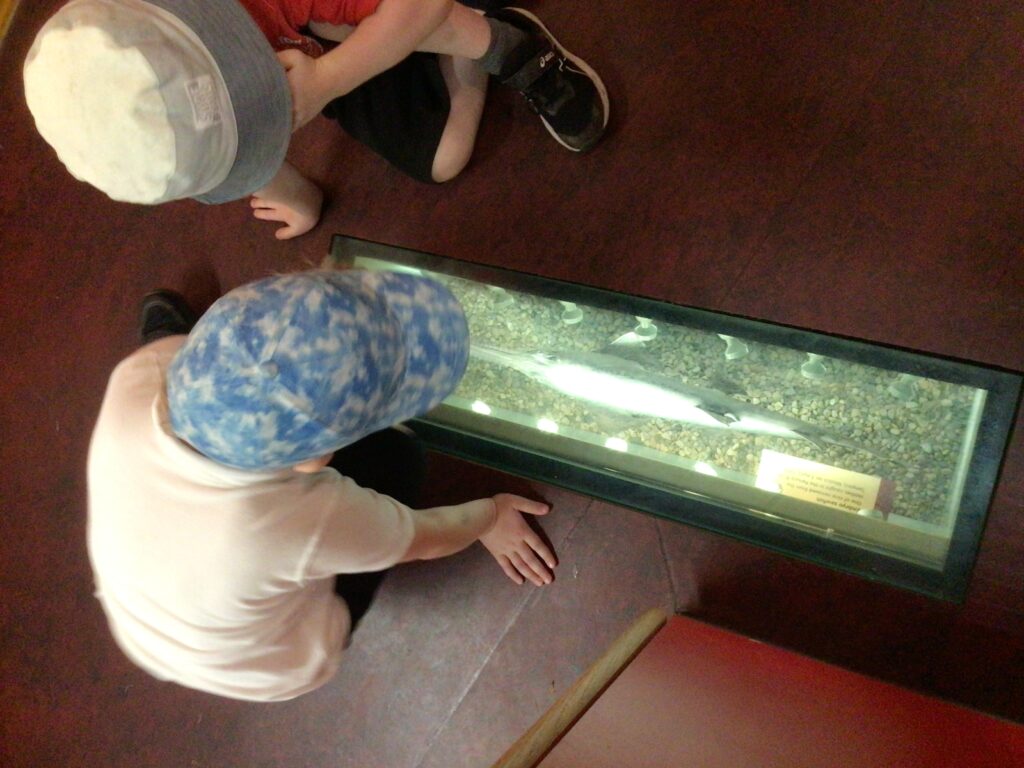
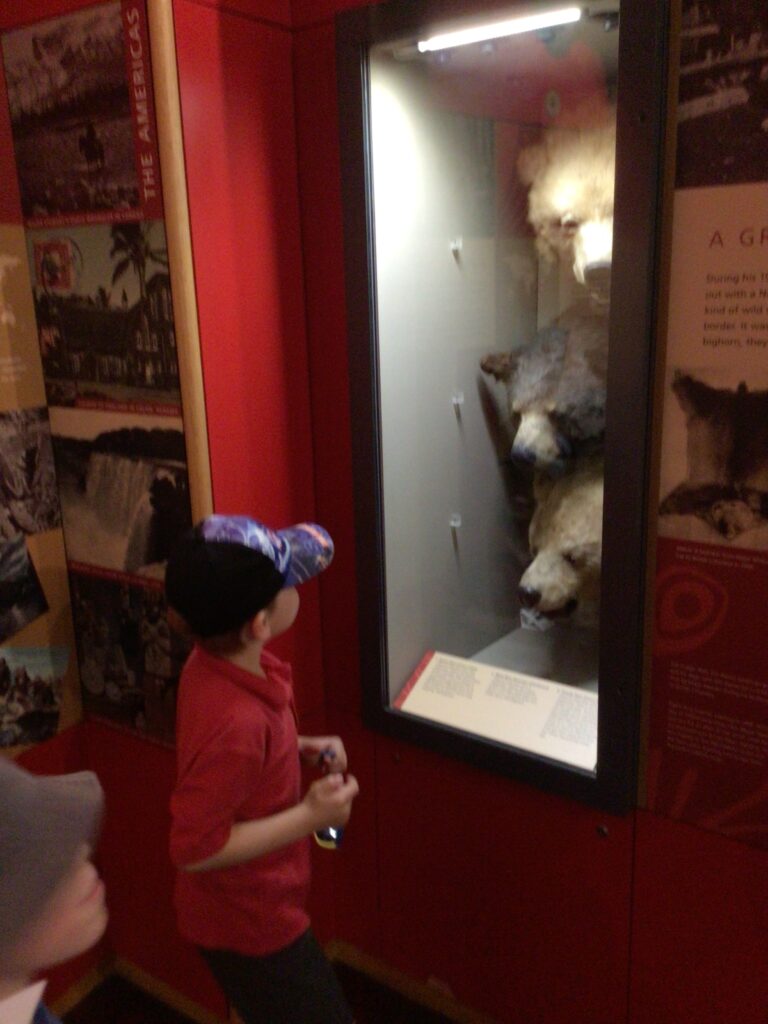
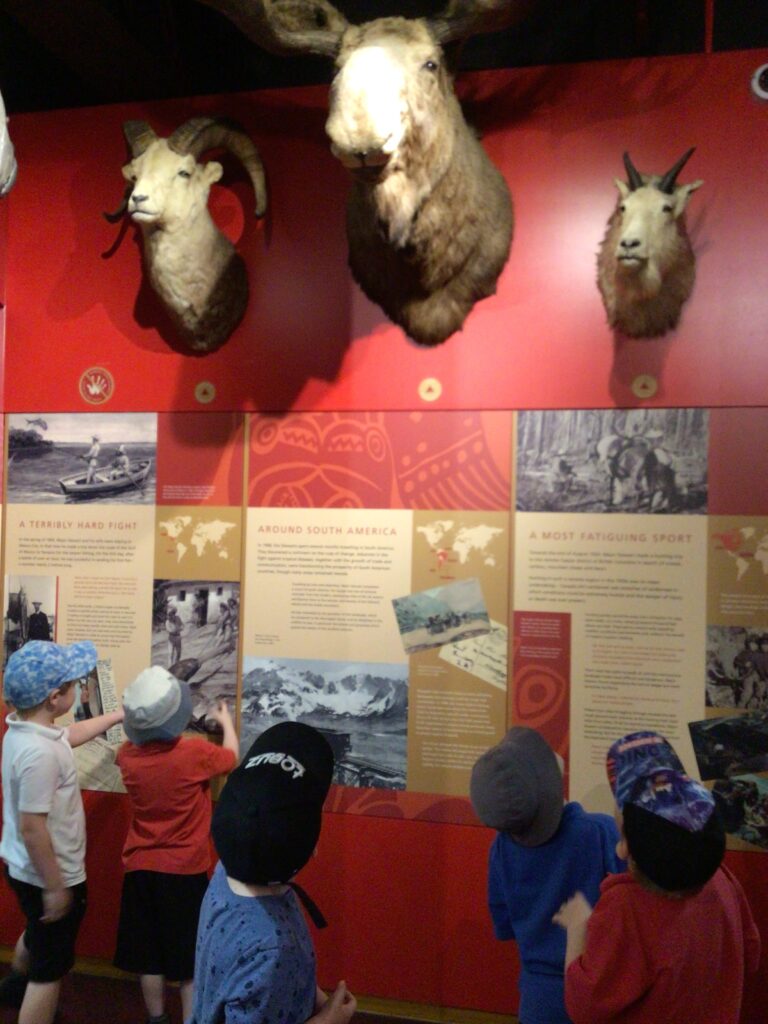
Children are given access to a range of primary and secondary resources to develop their skills as historians. Pupils will attend visits to their local area which helps the pupils have a sense of where they belong and their surroundings. Pupils will also have the opportunity to explore artifacts, visit museums and other historical places.

“People without knowledge of their past history, origin and culture is like a tree without roots.“
– Marcus Garvey
Our History lessons include ongoing assessment opportunities, such as questioning, retrieval practice and interactive activities. These enable teachers to assess understanding in real time and adapt their teaching accordingly. Teachers also use an assessment tracker to help them identify those pupils who are secure in their learning and to identify learning gaps and put things in place to support those pupils.
At the end of each unit, pupils are assessed on the disciplinary strands using a Skills catcher. This assessment requires them to apply their disciplinary knowledge to complete an outcome task. Each disciplinary concept is assessed at least once by the end of KS1 through the application of historical enquiry skills. Skills catchers act as a summative assessment record for teachers, illustrating progress the children have made.